
How Women Can Cope With Stress and Anxiety in Recovery
Why Stress and Anxiety Hit Women Differently in Recovery
If you feel overwhelmed by stress and anxiety in recovery, that response is real and it is common. Recovery asks a lot of you, and for many women the pressure does not ease evenly across the day.
Women experience anxiety through a distinct biological and social picture. According to NIAAA, women tend to reach higher blood alcohol concentrations than men on the same amount of alcohol and can develop an alcohol use disorder more quickly, which shapes how the body and nervous system respond during early recovery. Hormonal shifts and differences in metabolism can influence mood, sleep, and stress tolerance in ways that are specific to women.
The social side matters just as much. SAMHSA reports that women entering substance use treatment have higher rates of co-occurring mental health conditions, trauma histories, and intimate partner violence. Caregiving responsibilities and stigma can add pressure that makes anxiety harder to set down.
Understanding these factors is not about labeling women as more fragile. It is about matching support to the actual experience, so care fits the person rather than a one-size framework.
What Anxiety Is and How It Shows Up
Anxiety is an emotional, physical, and mental state. This section is general health information, not a diagnosis. When anxiety is triggered, the brain and body shift into a fight, flight, or freeze response.
Also known as dysregulation, this state can cause some people to freeze and shut down. Others might become aggressive or show high levels of restless energy. The fight, flight, or freeze response is a normal, built-in reaction to a perceived threat. The difficulty comes when the brain and body sense danger that is not actually present.
Common physical and emotional signs of anxiety can include:
- Nervousness
- Muscle tension
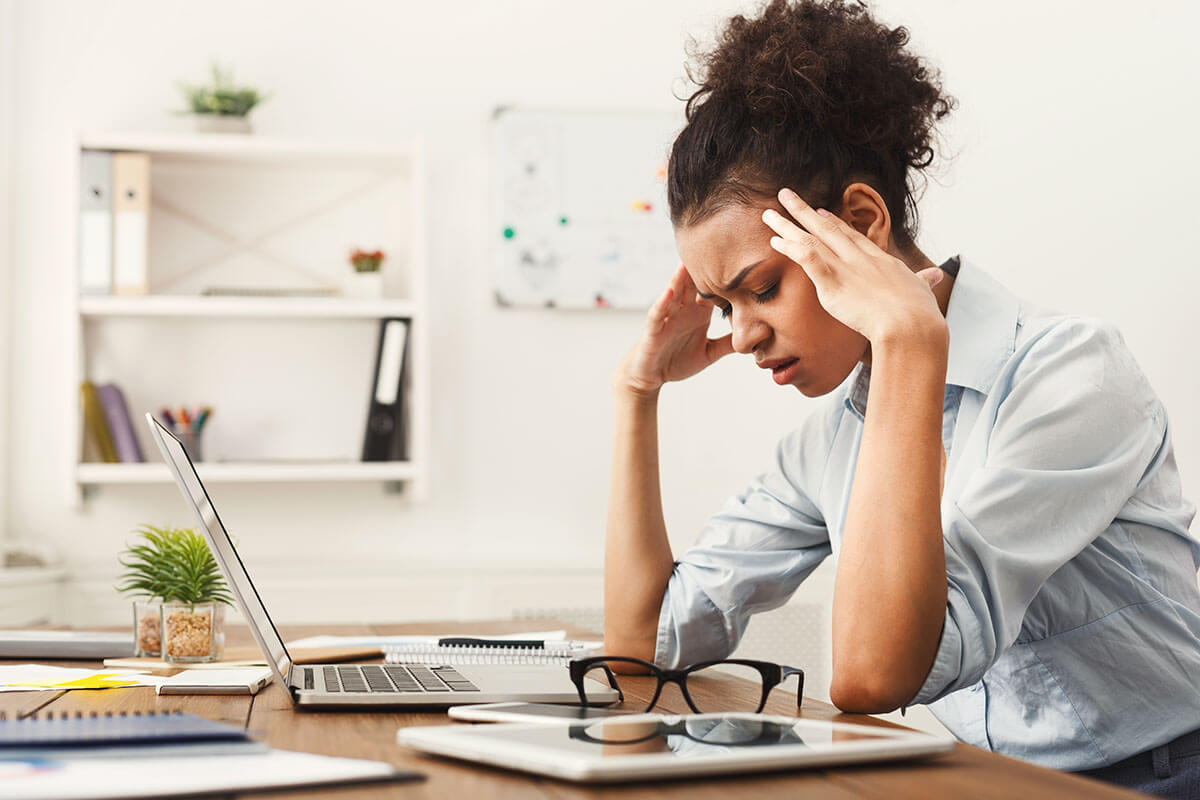
- Tension headaches
- A sense of impending danger
- Heart palpitations
- Hyperventilation or rapid breathing
- Trouble breathing
Once the nervous system is dysregulated, it can be hard to calm down and settle again. Anxiety can build slowly from prolonged stress, or it can arrive quickly with little warning.
How Anxiety and Substance Use Disorder Are Connected
Anxiety and substance use disorder often travel together, and each one can feed the other. For some women, alcohol or drug use began as an attempt to quiet anxiety, and untreated anxiety in recovery can raise the risk of cravings or a return to use.
When a mental health condition and a substance use disorder occur at the same time, that is described as co-occurring disorders. SAMHSA notes that co-occurring conditions are common among women in treatment, and that treating both together tends to produce better outcomes than treating either one alone.
This is why integrated, trauma-informed care matters. Addressing the anxiety and the substance use disorder as connected parts of the same picture gives the nervous system a real chance to recover, rather than leaving one condition to undermine progress on the other.
Practical Ways Women Can Cope With Stress and Anxiety in Recovery
The following strategies are supportive daily practices, not a substitute for clinical care. Each one is a small way to return to the present moment and attend to your physical and emotional needs.
Reduce Caffeine and Nicotine Intake
Caffeine and nicotine can make anxiety worse by prompting the release of adrenaline. Because caffeine is dehydrating, it can also contribute to an electrolyte imbalance that mimics the physical feelings of anxiety and adds to nervous system dysregulation. Nicotine has a similar stimulating effect.
Turn Off the Television
Regardless of the type of show, television, movies, and radio can quietly build stress and anxiety. You may not notice it in the moment, but over time a steady stream of stimulating media can contribute to anxious feelings and longer-term tension. For women balancing caregiving and constant news, deliberate quiet can be a meaningful reset.
Practice Mindfulness and Meditation
Mindfulness is the practice of present moment awareness. Anxiety and stress tend to live in the past and the future, so bringing attention back to the present can interrupt them. Sitting, walking, standing, or lying-down meditations, as well as yoga, can reduce stress and increase mind-body awareness. Time outdoors adds a sense of calm and natural light, which fits well with a residential setting in the Blue Ridge Mountains.
Journal
Whether or not you consider yourself a writer, journaling can help reduce stress and anxiety. Putting difficult feelings and worries on paper gives the brain a way to release them. Journaling can also help you track your mood and anxiety levels over time, which is useful information to share with your care team.
Focus on Nutrition and Sleep
Well-balanced nutrition can help steady stress and anxiety, and quality sleep helps the nervous system reset and raises stress tolerance. Food intolerances, allergies, and nutrient deficiencies can increase anxiety, so working with a nutritionist can add helpful support. Hunger itself can sometimes trigger anxiety, so staying well-fed and rested is a simple but real form of self-care.
These are early steps toward reducing anxiety in recovery. The through-line is returning to the present moment and tending to your physical, emotional, and psychological needs.
When to Seek Professional, Trauma-Informed Support
Self-management practices help, but they are not always enough, and needing more support is not a failure. If anxiety is interfering with daily life, disrupting sleep, or increasing cravings, that is a signal to reach out for professional care.
At The Willows at Red Oak Recovery, we provide long-term, women-only care with a continuum of support. Our trauma-informed and holistic programs give women the time, space, and resources to heal, with treatment for addiction and co-occurring disorders together rather than in isolation. Approaches such as EMDR can help women process trauma that underlies anxiety.
If you are exploring options for yourself or a woman in your life, our team is available to answer questions. Reach out when you are ready by calling 828-518-6941.
Frequently Asked Questions
Why do women experience more anxiety in addiction recovery?
Women often experience anxiety in recovery through a distinct mix of biological and social factors. NIAAA describes how women’s bodies process alcohol differently, and SAMHSA reports higher rates of co-occurring mental health conditions, trauma, and intimate partner violence among women in treatment, alongside pressures like caregiving and stigma.
Can anxiety trigger relapse during recovery?
Yes, untreated anxiety can raise the risk of cravings and a return to use, which is general information rather than a prediction about any one person. Working with a treatment team to address anxiety directly lowers that risk, and support is available if anxiety is becoming difficult to manage.
What are natural ways to reduce stress and anxiety in recovery?
Natural, everyday strategies include reducing caffeine and nicotine, limiting stimulating media, practicing mindfulness and meditation, journaling, and focusing on nutrition and sleep. These practices support the nervous system and work best alongside professional care rather than as a replacement for it.