

Signs You Are Addicted to Painkillers: What Women Should Know
How Painkiller Dependence Develops
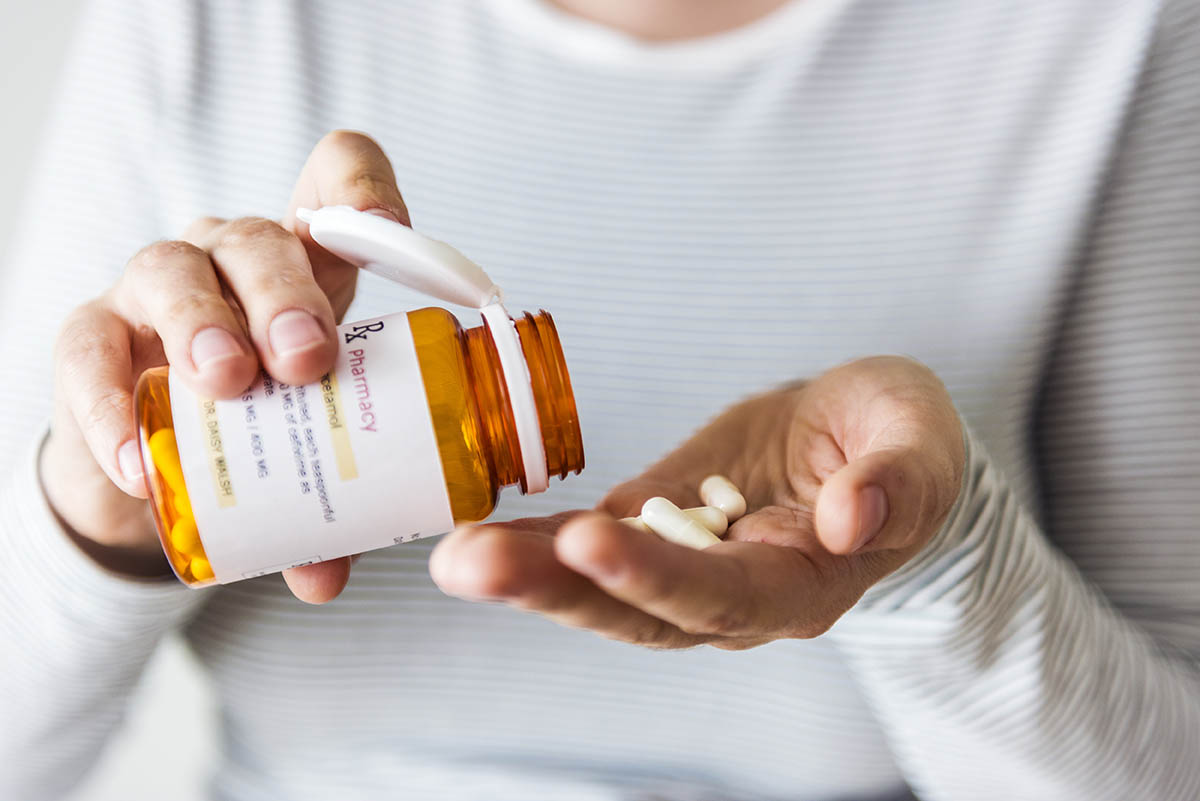
If you are worried about your relationship with prescription painkillers, know that this concern often begins in a legitimate place. Under a doctor’s supervision, prescription medication can be an effective tool for managing pain after surgery, injury, or a chronic condition.
Over time, though, the body adjusts. Tolerance builds, which means the original dose no longer produces the same relief. Taking more to maintain that effect can move a person from short-term pain management into dependence, and eventually into addiction.
Painkiller addiction can be hard to recognize because the behavior starts by simply following medical instructions. There are no early red flags when someone trusts that their clinician prescribed only what was needed. That trust is reasonable, which is part of why prescription drug addiction so often develops quietly. If withdrawal is a concern, medically supervised detox is the safe path, and stopping suddenly without clinical support is not recommended.
Signs and Symptoms of Painkiller Addiction
Painkiller addiction can show up in several ways, and the signs are not always obvious to the person experiencing them. Recognizing these patterns early can make it easier to reach out for help before the condition deepens.
Physical and emotional signs often include mood swings and periods of euphoria. A person may feel up one moment and low the next, reaching for the medication to correct that imbalance. Increased tolerance, meaning a need for higher doses to feel the same effect, is a common indicator.
Behavioral signs may include:
- Withdrawing or secluding oneself from others
- Being untruthful about how many pills are taken each day
- Taking medication that belongs to someone else
- Seeking prescriptions from multiple providers, sometimes called doctor shopping
Psychological signs can include anxiety, depression, and an overall decline in mood. Some people experience more serious mental health symptoms. Because these signs overlap with other conditions, a professional assessment is the most reliable way to understand what is happening.
Why Painkiller Addiction Affects Women Differently
Women experience addiction differently than men, and understanding those differences matters for effective treatment. These are biological realities, not stereotypes, and they shape how painkiller dependence develops and how recovery works best.
According to NIAAA, women tend to reach higher concentrations of substances in the bloodstream than men consuming the same amount, in part because of differences in body composition and metabolism, and they can develop substance use disorders more quickly. This faster progression means the window between prescribed use and dependence can be shorter for many women.
SAMHSA reports that women entering substance use treatment have higher rates of co-occurring mental health conditions, trauma histories, and experiences of intimate partner violence. Caregiving responsibilities and the stigma many women feel about seeking help can also delay reaching out. A treatment approach that ignores these factors misses much of what a woman actually needs to recover.
Co-Occurring Conditions and Disordered Eating During Withdrawal
Painkiller addiction rarely exists on its own. For many women, it appears alongside depression, anxiety, PTSD, or other mental health conditions that influence one another rather than existing in isolation.
Because these conditions are connected, treating them together tends to be more effective than treating them separately. Dual diagnosis care addresses substance use and mental health at the same time, which reflects how a person actually experiences them.
Disordered eating can also surface, sometimes as a woman weans off medication under clinical care. This is one more reason that medically supervised detox matters: it allows a clinical team to monitor and support the physical and emotional changes that can accompany withdrawal, rather than leaving a person to manage them alone.
Painkiller Addiction Treatment for Women at The Willows
A one-size-fits-all approach to addiction therapy does not work for most people. At The Willows at Red Oak Recovery, located just outside Asheville, North Carolina, we offer gender-specific treatment designed around the realities women face.
Our prescription drug addiction treatment program is run by master’s-level clinicians and combines individual, group, and family therapy. We integrate experiential and trauma therapies along with meditation and yoga, and our dual diagnosis care addresses co-occurring conditions such as depression, anxiety, and PTSD. For women who need more structure, a partial hospitalization program in a non-residential setting is also available.
Our 38-acre campus in the Blue Ridge Mountains includes walking trails, green spaces, and ponds, and we care for no more than twenty women at a time so each client has room to focus on recovery. Our aftercare program continues counseling and support after the primary program ends.
If you are exploring options for yourself or a loved one, our team is available to answer your questions. You can reach us when you are ready at 828-518-6941.
Frequently Asked Questions
What are the early signs of painkiller addiction?
Early signs often include needing higher doses to feel the same relief, mood swings, and changes in behavior such as secrecy about how much medication is taken. A person may also seek prescriptions from more than one provider or use medication that belongs to someone else. Because these signs can be subtle, a professional assessment is the most reliable way to understand what is happening.
Can you become addicted to painkillers prescribed by a doctor?
Yes, addiction can develop even when someone follows a prescription exactly as directed. Painkillers used beyond the recommended time can lead to tolerance and dependence, which is why this can be difficult to recognize. Following medical instructions does not protect against the physical changes that lead to dependence, so ongoing communication with a clinician is important.
How is painkiller addiction treatment different for women?
Treatment for women accounts for biological and social factors that shape how addiction develops and how recovery works. Women can develop substance use disorders more quickly and have higher rates of co-occurring trauma and mental health conditions, according to NIAAA and SAMHSA. Gender-specific programs like ours are built around these realities rather than applying a general framework.